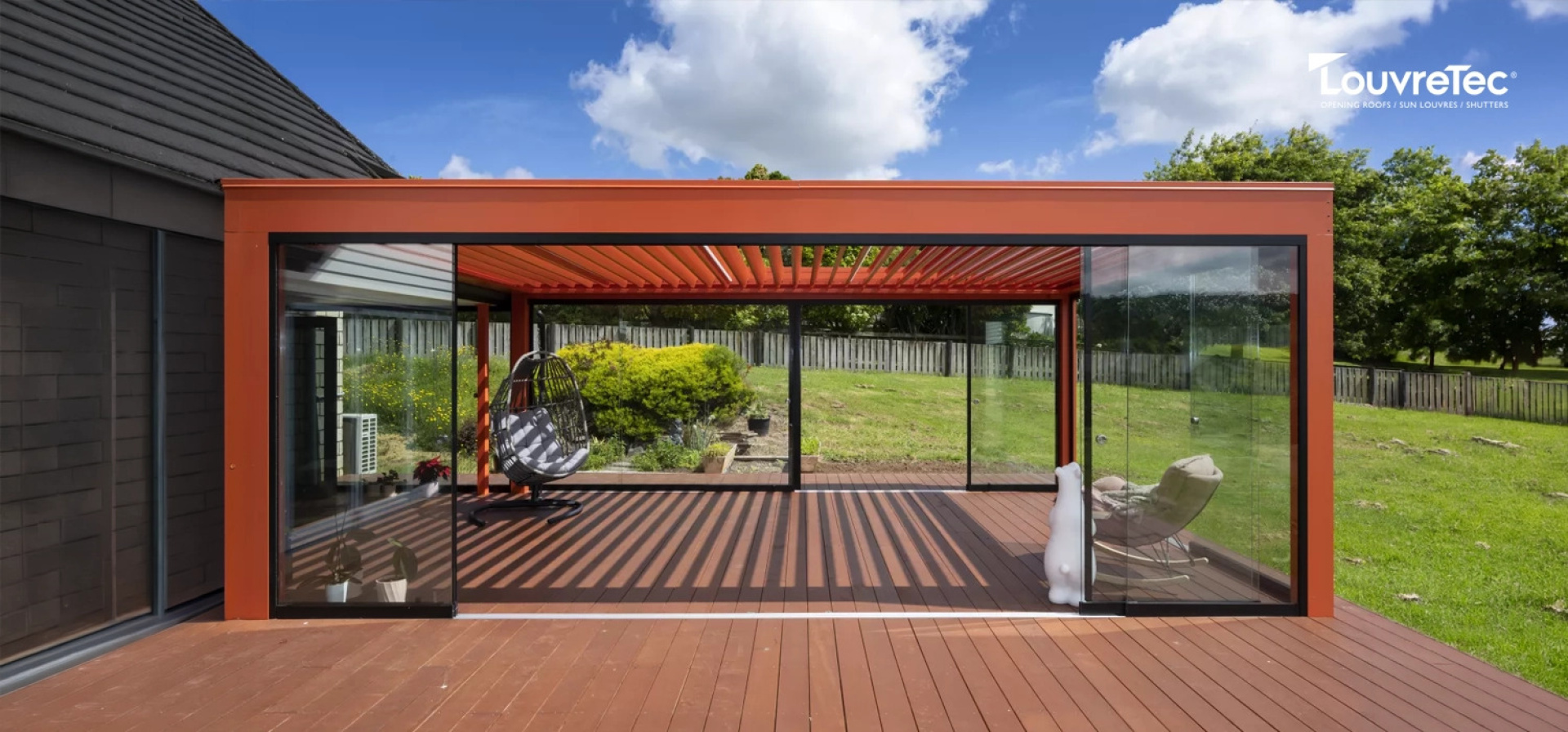
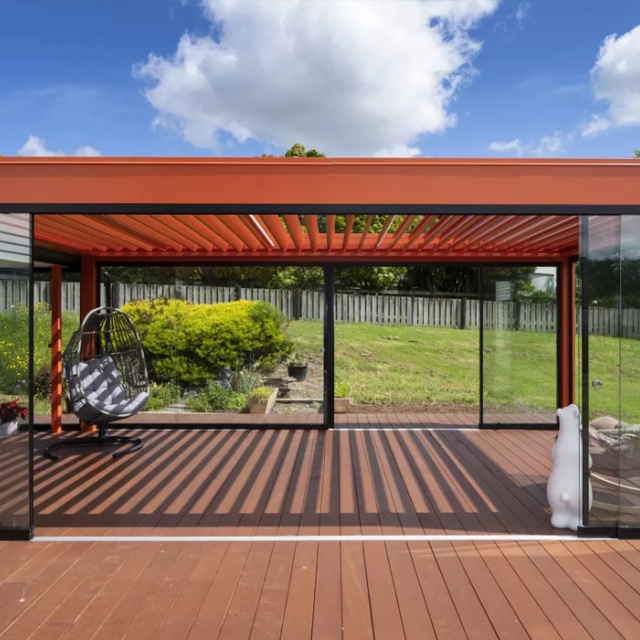
Australian homes often blur the line between inside and outside, and an outdoor louvre roof can help make that lifestyle more reliable. We cook with the doors open on mild evenings, we watch the kids play on the deck, and we try to stretch every bit of sun we get. Yet the same climate that invites outdoor living can make it hard to rely on it. A bright summer afternoon can be too hot to sit in, then a fast change in weather sends everyone back indoors.
An outdoor louvre roof gives you a way to control those shifts, so your deck or courtyard feels like part of the home instead of a fair-weather option. Louvretec designs and builds adjustable louvre systems that let you tune light, air, and shelter in real time.
This guide covers design ideas for a range of Australian homes, from beachside retreats to city houses. We’ll also share two real renovation stories, plus tips for comfort and answers to common questions. Our goal is to help you imagine what could work for your home and lifestyle.
Why Louvre Roofs Fit Australia's Outdoor Life
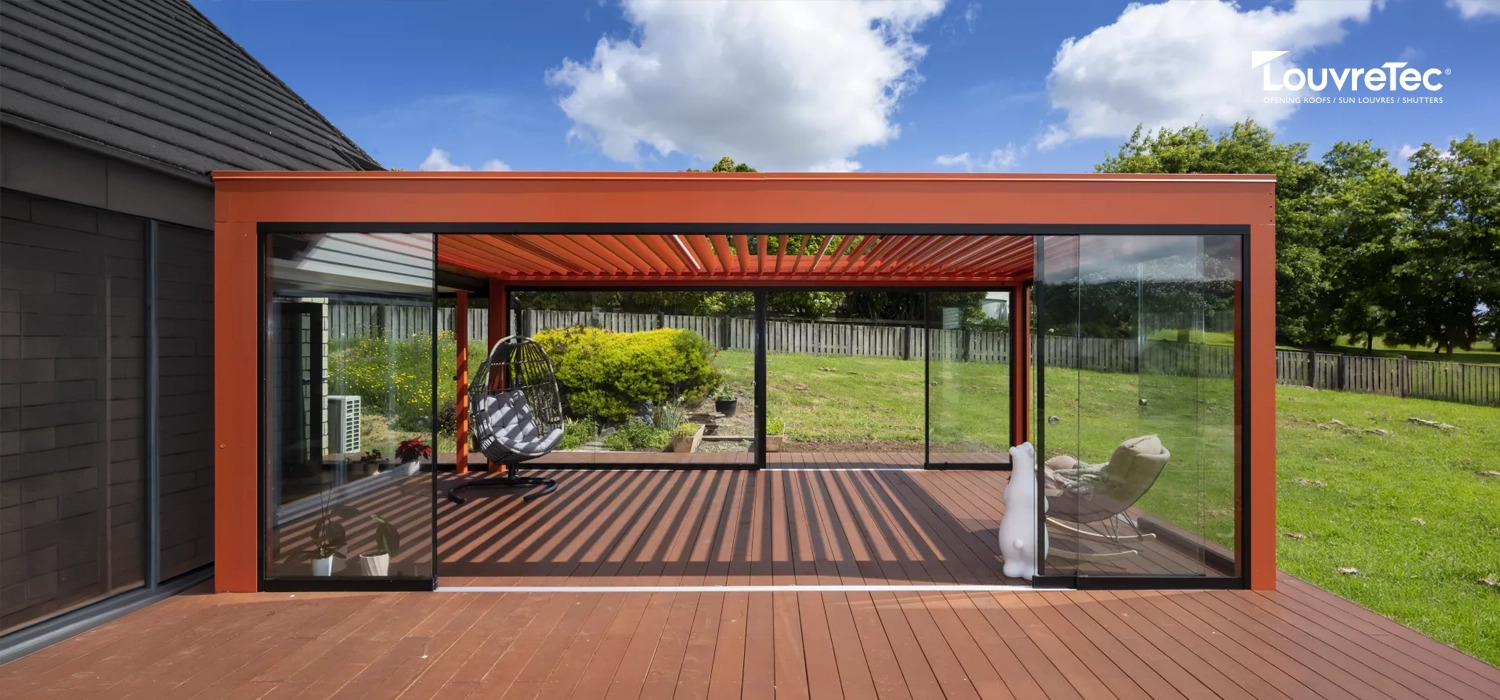
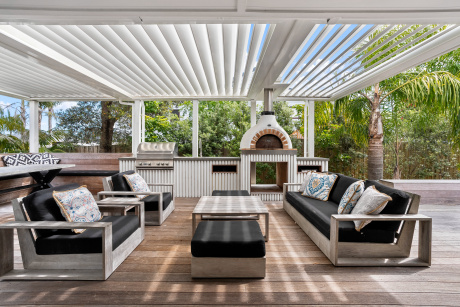
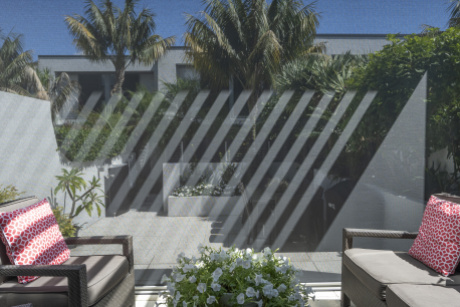
Before talking about style, it’s useful to explain how these systems work. A louvre roof has aluminium blades that you can open or close, either by hand or with a motor. Tilt them for filtered sunlight and airflow, or close them for shade and rain protection. Unlike a solid roof, you can adjust the light and temperature. Unlike a basic pergola, you don’t have to guess what the weather will do.
This flexibility is important in Australia. Long summer evenings, coastal winds, and sudden rain mean outdoor comfort can change quickly. Most homeowners want a space they can use every day, not just for weekend gatherings.
Defining Your Style: Regional Design Trends in AU
A roof system should match its surroundings. The same louvre design can look quite different on a white coastal bach compared to a dark city terrace. The aim is to make the addition feel like it belongs, while making the space work for your needs.
The Coastal Retreat: Breezy, Light, and Private
Coastal homes tend to lean towards calm finishes and open flow. You often see light powder coat tones, pale decking, and soft furnishings that match sand and sea. An outdoor louvre roof in these settings looks best when it feels airy, with blades that echo the horizontal lines of weatherboards or glazing.
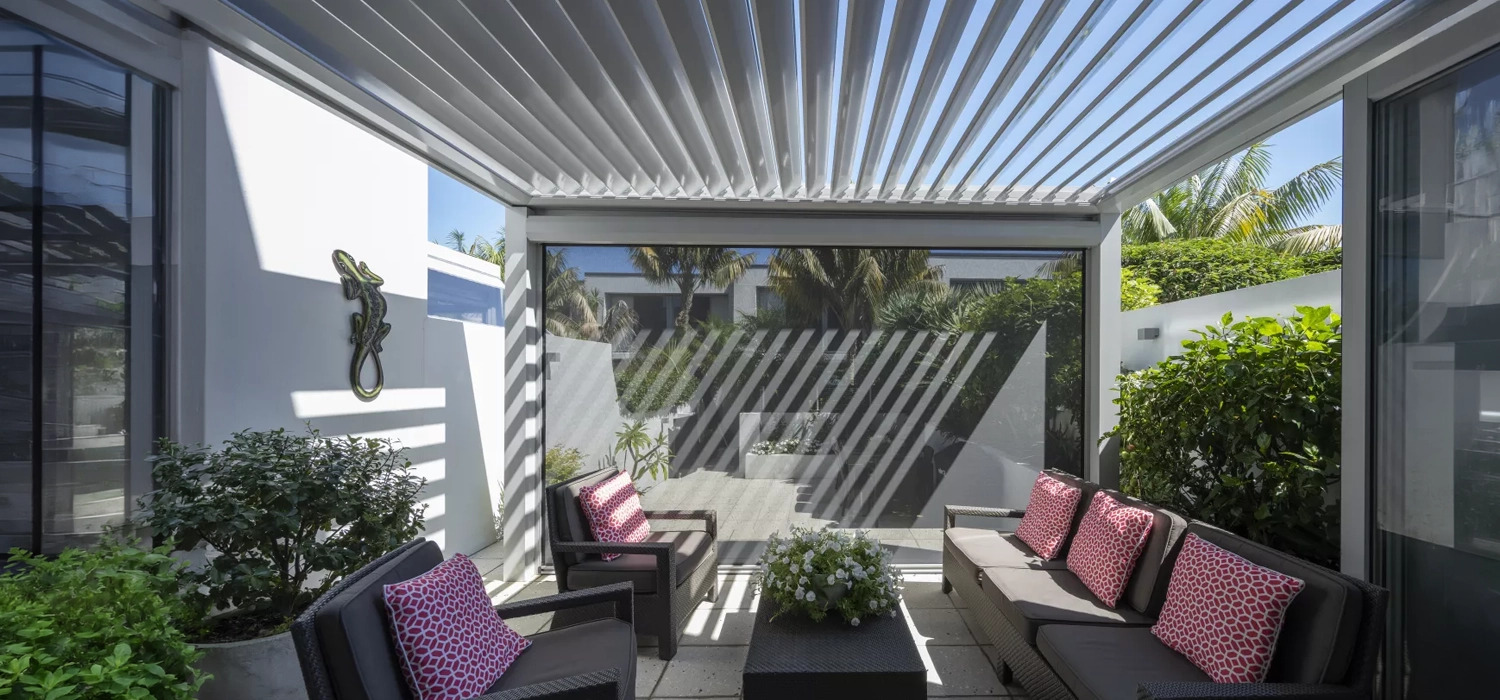
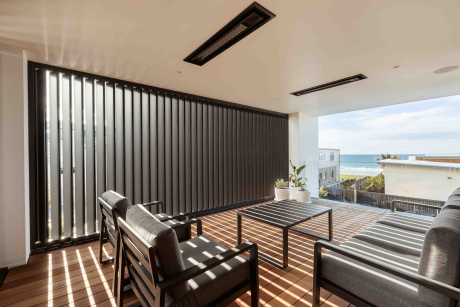
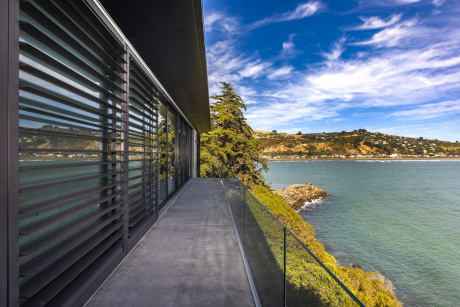
Privacy is also part of the coastal story. Beach suburbs are lovely, but they can be close-knit, with decks looking over fences or shared driveways. This is where exterior shutters work well alongside a louvre roof. Sliding or bifolding shutter panels can filter sea breezes, block low sun, and give privacy without turning the space into a closed box. Homeowners like them because they still keep a view, so you can sit with a coffee and watch the light change without feeling on display.
Salt and wind are important to consider on the coast. Our aluminium systems are built for Australia’s weather, and adding shutters or glass panels can help manage strong winds while keeping the outdoor feel.
The Urban Modernist: Sleek and Structured
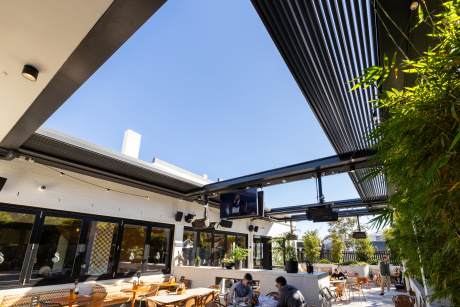
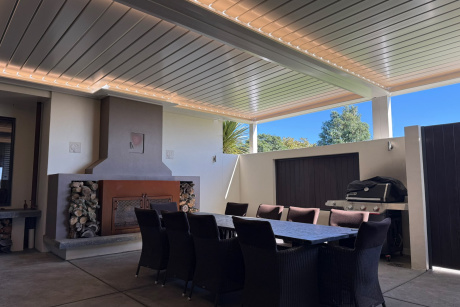
City homes, especially newer builds and townhouses, often work with stronger contrasts. Dark frames, concrete patios, and sharp geometry are common in inner-city Sydney, Melbourne, and Brisbane infill sites. In this context, a louvre system becomes an architectural structure. An outdoor louvre roof can define the entertaining zone in the same way a ceiling defines a living room.
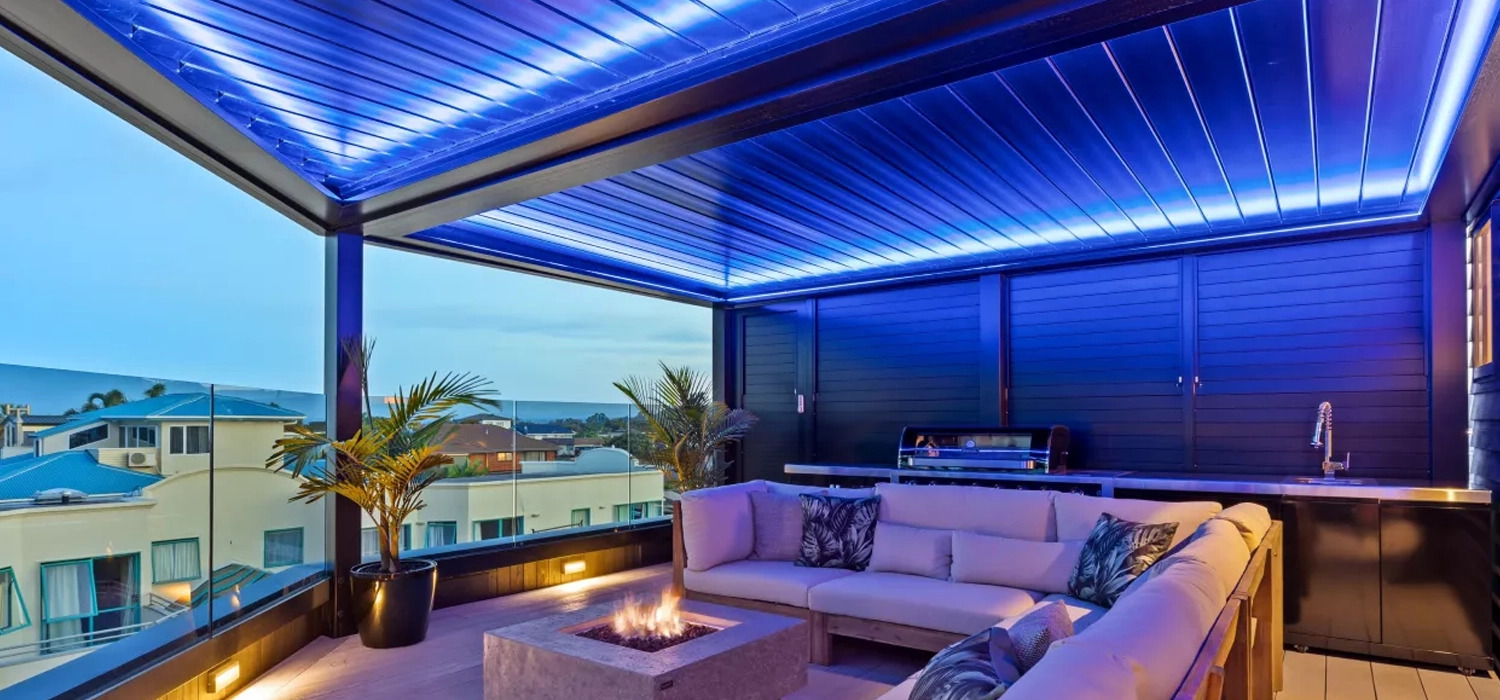
Many city homeowners want the roof to look simple and clean, not too busy. Here are some design tips that help achieve that.
- Use darker powder coat tones for the framework that match window joinery or fencing, so the Opening Roof feels tied to the home.
- Keep the blade profile slim, and align it with existing roof lines or soffits.
- Enjoy Louvretec’s concealed motors
- Add downlights within the structure rather than hanging separate fittings, which keeps the ceiling line clean.
This style also suits smaller courtyards where you want shelter without making the space feel compressed. If you already have a pergola frame, an adjustable roof can act as an outdoor canopy that keeps the courtyard usable on hot afternoons and drizzly evenings.
Case Studies: Real Renovations That Changed How Homes Are Used
Design ideas are useful, but nothing lands quite like a before-and-after story. These two examples draw on how Australian homeowners describe living with louvre systems.
Case Study 1: From Unused Deck to Year-Round Sanctuary
The Mountjoy Family lives in Perth, WA, where the harsh summer sun and coastal winds can make outdoor areas temperamental. Their home featured an outdoor space that had immense potential but lacked the precision control needed to handle the local climate.
As an engineer by trade, the owner was looking for more than just a patio cover; he needed a system that offered durability and technical excellence. After installing a Louvretec roof, the space was transformed into a functional extension of the home.
"I have an engineering background and was very impressed by the precision assembly process with total attention to detail," they noted. "Louvretec installation exceeded our already high expectations."
Now, instead of retreating inside when the Perth sun gets too intense, the family can tilt the blades to catch the breeze while blocking the glare, making the area a reliable "outdoor room" regardless of the forecast.
Case Study 2: Investing in Quality for the Long Haul
Phillip M. from Sydney faced a common Australian dilemma: a beautiful outdoor area that was at the mercy of sudden weather shifts. He wanted a solution that didn't just look good on day one but would perform for years in the Sydney humidity and heat.
After four years of living with his Louvretec system, Phillip says it has fundamentally changed how his family uses their home. Whether it’s a scorching 35°C day or a sudden coastal downpour, the system reacts instantly.
"I’m writing this review after living with a Louvretec roof for approximately 4 years... It’s brilliant. Works perfectly (hot or cold weather), closes the minute the rain starts, looks fantastic and is of the highest quality."
For Phillip, the decision to choose a premium system over a basic pergola was about "peace of mind." The addition of integrated sensors means that even if they are halfway through a BBQ and a change rolls in, the roof handles the protection for them, allowing the conversation to keep flowing without a dash for the indoors.
The Finishing Touches: Creating Comfort
A roof is the foundation, but comfort is the aim. Once you have shade and rain control, the next question is how to make the space feel good across the year. This is where planning pays off, because you can build lighting and heating into the structure rather than adding them later in a messy way.
Integrated Heating and Lighting
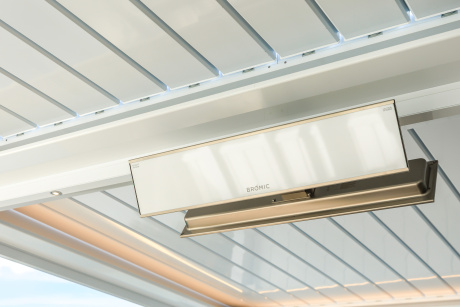
Many people in Australia enjoy their deck until the sun goes down, then the cool air sends everyone inside. By adding LED lighting and outdoor heaters to the louvre beams, you can use the space in the evening and during cooler months. Louvretec offers lighting and heating that fit neatly into the roof, so they don’t get in the way or take up space.
When we design these elements, we think about how you use the area. If it is a dining space, we place lights to avoid glare on the table. If it is a lounge setting, we use a softer spread with gentle warmth above seating. The result is subtle, yet it changes how often you choose to be outside. Many clients tell us that once heating and lighting are part of the setup, they stop thinking in seasons and start thinking in moments.
Enclosing the Space
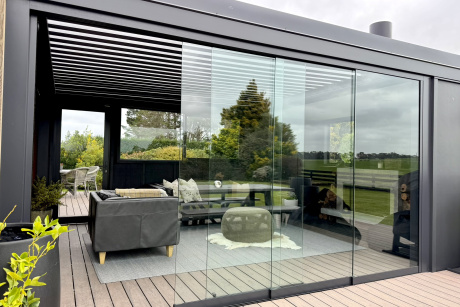
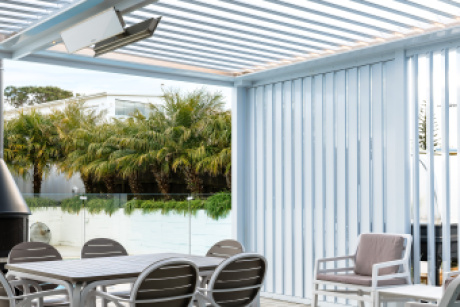
Australia’s weather isn’t just about hot sun and muggy rain. Wind can also make a covered deck feel exposed. That’s why enclosing the sides, even partly, can be a smart choice. You can use outdoor blinds, louvre panels, shutters, or frameless glass sliders.
The main idea is control. You might want an open feel on calm days and protection when it’s windy. Sliding panels or shutters let you adjust as needed and match the roof’s style. On the coast, glass doors can block salt spray but keep the view. In the city, shutters add privacy and block low sun. Using these options together helps the louvre roof work well in any weather.
Bringing Your Outdoor Louvre Roof Vision to Life
By now, you have seen how style, setting, and comfort features work together. Whether your home leans coastal, urban, or something in between, the right outdoor louvre roof is less about a trend and more about a lifestyle fit. We start with how you use the space, then shape the design around light paths, wind direction, and the lines of your home. Louvretec systems are made to measure and engineered for each site, so the roof feels like part of the architecture, not an afterthought.
If you’re looking for ideas, our inspiration gallery has a wide range of real projects. When you’re ready, a consultation can help you choose blade profiles, colours, enclosure options, and extras like lighting or heating. Good outdoor design isn’t about copying a photo. It’s about creating a space you’ll actually use, in a way that fits your life.
Some Questions About Outdoor Louvre Roofs
Is Louvretec waterproof?
A louvre roof is built to keep out rain when the blades are closed. The blades lock together and direct water into built-in gutters, which carry it away through the frame. As with any roof, how well it works depends on the right design for pitch, drainage, and local weather. We plan these details for every site.
Are louvred roofs worth it?
For most homeowners, value comes from how much they use a space. If your deck or patio sits empty because of sun, wind, or sudden rain, an adjustable roof can make it part of your daily life. You get a space you can count on, not just look at. That’s why many people think an outdoor louvre roof is worth it.
Are there disadvantages to using louvres?
Adjustable louvre roofs usually cost more than basic pergolas because they include moving parts and custom engineering.
They also need sensible maintenance, such as clearing leaves from gutters and checking motors if the roof is automated. In high wind zones, correct structural design is essential, which is why we engineer each build for the location. If those points are planned well, the disadvantages are manageable.
Ready to Shape Your Outdoor Space?
An outdoor louvre roof fits Australian life because it works with our changing weather. It lets you control light, air, and shelter, so your outdoor area becomes a space you can rely on. In coastal homes, light finishes and shutters create a relaxed feel. In city homes, dark frames with lighter louvres make a modern outdoor room. Renovations show the same thing: families use the space more, without worrying about the weather.
If you’re ready to design a roof that fits your home and lifestyle, we’re here to help. Check out our gallery, see what matches your style, and talk with us about your space. The right outdoor louvre roof does more than cover a deck; it changes how you use your home year-round.