Planning an outdoor upgrade feels exciting, yet many homeowners in Australia soon learn that lasting comfort depends on knowing how to build an outdoor room that fits their site and weather. A smart space does more than look good. It needs to handle heat, wind, rain, and regular family use, or it will feel awkward the moment the seasons change. This guide shares the key checks to help readers understand how to build an all-weather outdoor room in Australia before they choose a roof, walls, and sliding systems.
The best way to approach how to build an outdoor room is from the top down. Start with a roof that matches the climate, then select side walls and doors that balance airflow, shelter, and views. Finish with practical comforts like heating, shading, and outdoor lighting. When each layer works together, the space feels like a true extension of the home.
Start With Structure: How an Outdoor Room Comes Together
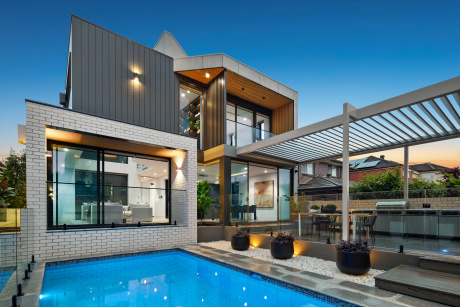
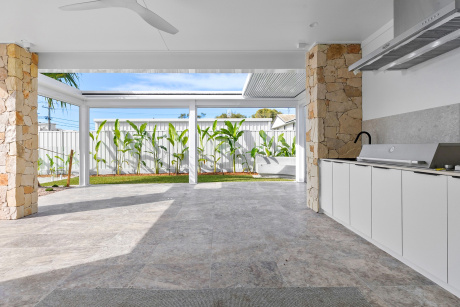
Most homeowners begin with inspirational photos that show tidy spaces and even shade. But before thinking about style, it helps to understand how to build an outdoor room structurally. The roof creates the foundation of comfort, while the walls and doors control wind, sun, privacy, and shelter. When these elements connect well, the room stays usable through more seasons.
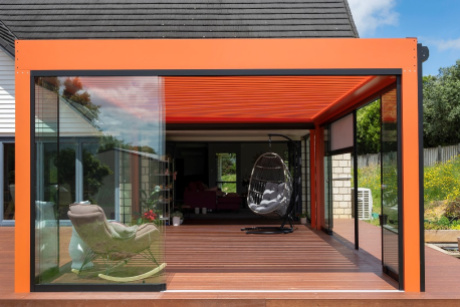
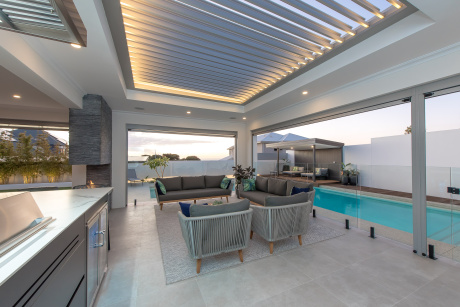
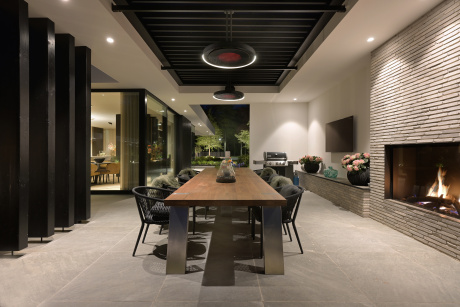
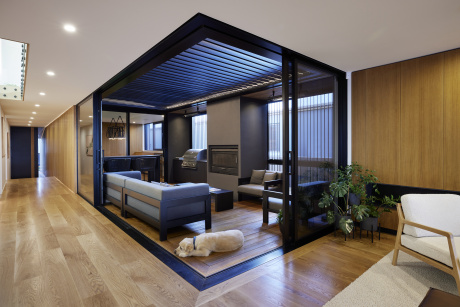
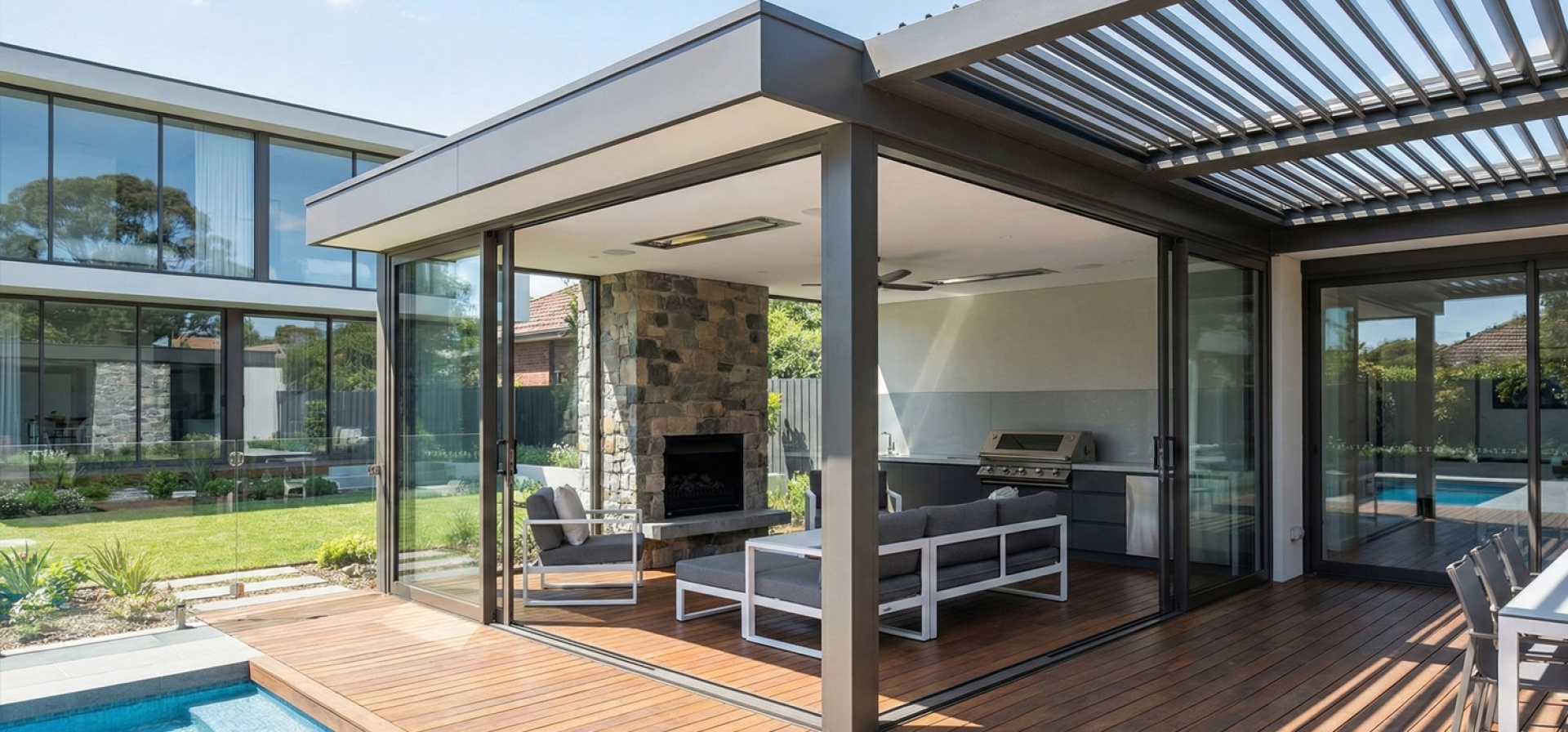
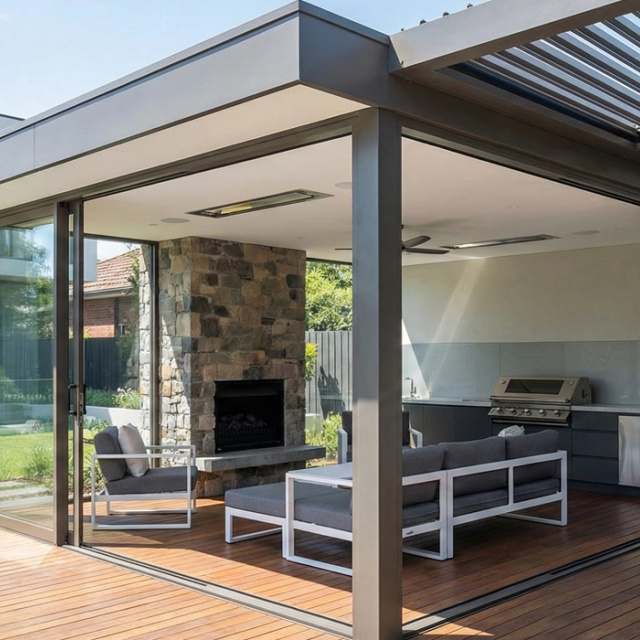
A full Louvretec Room shows this idea clearly. It combines an operable roof, sliding walls, shutters, and heating into one coordinated system. For readers planning their build, it helps to follow the same method: roof first, then walls and doors, then comfort add-ons. This prevents mismatched parts and gives the area a clean look that flows well with the home.
Homeowners often recall times when their deck felt too windy or too hot. Those small frustrations are reminders of why structure matters. A good outdoor room solves those issues through smart layout and weather control.
Roof Choices: Fixed Shade, Operable Control, or Open Sky
The roof sets the tone for the whole room. If someone is learning how to build an outdoor room, roof selection is where they gain the most control over comfort. Different options suit different homes.
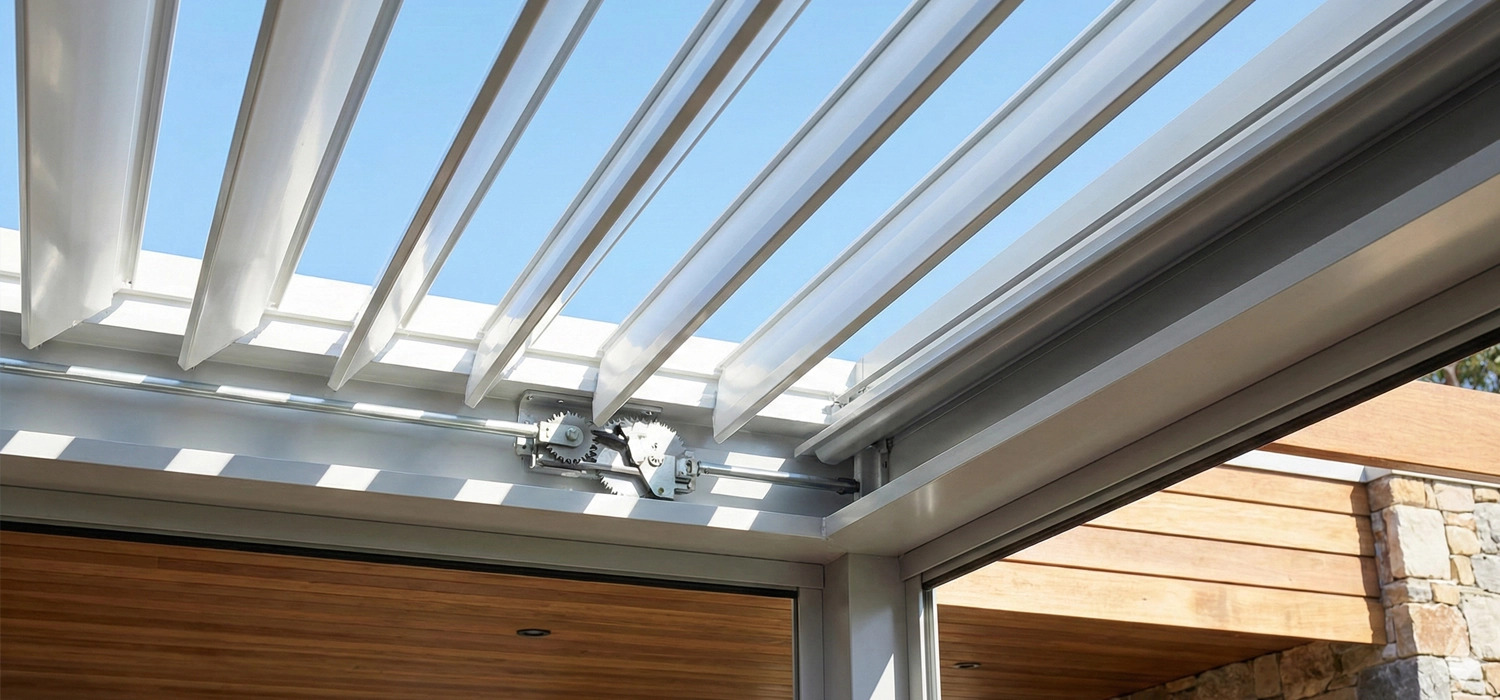
Opening Roofs allow homeowners to tilt the louvres for shade or sun. On windy days, closing the blades gives shelter, while light rain drains through built-in gutters. This suits families who enjoy year-round use. Retract Roofs open fully for blue-sky days and close when the weather turns. They are popular for homes that want a flexible, open-air feel. Translucent roofs soften the light and keep the area bright even on cloudy days.
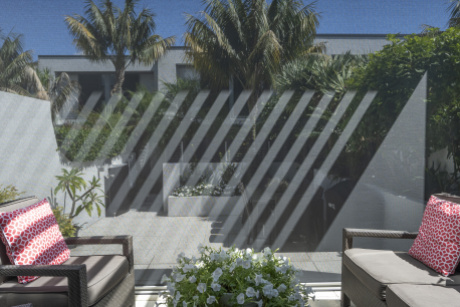
The right roof also helps manage heat. Many homeowners share how hot their outdoor space feels in summer. An operable roof helps solve this problem by letting hot air escape. A fixed roof may suit shaded sections, while an opening style works well for sunny decks. Thinking about daily use helps guide the choice.
Wall Systems, Glass, Blinds, and Shutters That Do the Work
Once the roof is sorted, the next step in how to build an outdoor room is choosing the right walls. Each option manages the weather differently.
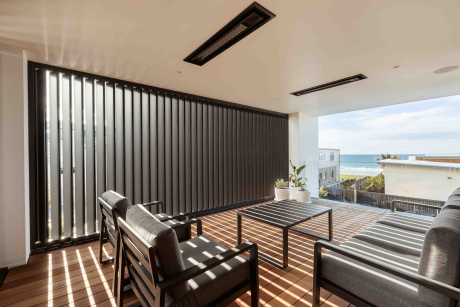
Slidetec frameless glass keeps views open while blocking wind. It suits homes with wide outlooks or close neighbours. Aluminium window shutters control airflow and privacy, which is useful in street-facing areas. They can also reduce glare in late afternoon light. outdoor roller shades help filter the sun and reduce wind pressure. Mesh styles allow ventilation, while clear PVC gives stronger protection during rain.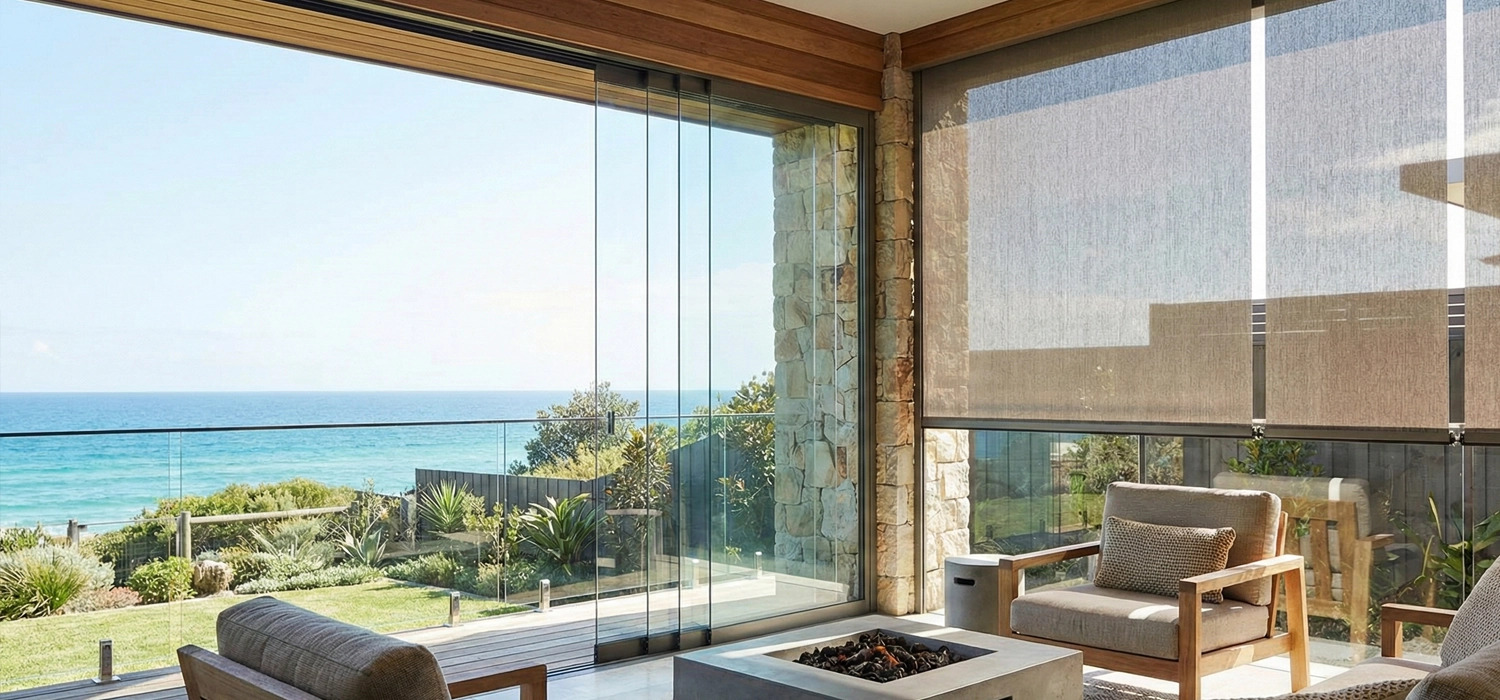
This is where one of the long-tail keywords fits naturally: some homeowners explore integrating sliding doors with outdoor room walls in Australia to create wider openings that shift smoothly during gatherings. These blended systems help rooms feel connected to the outdoors while still controlling wind and heat. This section also brings in the phrase outdoor room solutions for windy or alpine sites in Australia because many readers need stronger systems for challenging locations.
Families often think about moments when a strong gust ruined a meal or when rain blew across the deck. Walls and screens are the tools that prevent those moments without closing off the space.
Door Configurations, Smooth Access and Clean Lines
Doors are the final moving part of the structure. When learning how to build an outdoor room, many readers focus on getting smooth access that works for daily life. Multi-track sliding doors stack neatly without taking up floor space. They suit busy areas where people come and go often. For smaller spaces, single-track sliders keep lines clean and tidy.
The key is matching the door system with the wall and roof style so the whole setup looks like a single design. For example, homeowners planning to pair sliding doors with retractable fabric walls in Australia often choose aligned tracks to avoid uneven transitions.
People want ease. They think about opening the room during a family barbecue or closing it quickly when rain appears. Smooth sliding doors make those moments simple and stress-free.
Windy or Alpine Sites, Strong Roofs and Stable Walls
Some parts of Australia face strong winds or cooler climates. For those conditions, how to build an outdoor room safely means choosing robust components. Alpine roof systems carry higher loads and stronger spans, making them suitable for mountain regions or exposed hill sites.
Windward sides may use clear glass to block strong gusts, while leeward sides use mesh panels for ventilation. The right mix prevents the room from feeling too sealed or too cold. Homeowners who have lived with unstable awnings or rattling blinds appreciate how much comfort comes from strong walls.
For families in windy regions, these details make everyday use far more peaceful.
Coastal and Sunny Locations, Light, Shade, and Salt-Smart Finishes
Coastal homes see harsh sun and salt exposure. Many readers learning how to build an outdoor room for these areas choose operable roofs that temper heat during midday while keeping natural light. Translucent blades help soften brightness without darkening the room.
Finishes matter too. Powder-coating and anodising protect aluminium from corrosion. Homes near beaches need regular washing to remove salt buildup, keeping the structure clean and extending the life of the materials.
People who live near the coast often recall how quickly metal fixtures on their deck aged. A salt-smart outdoor room avoids that issue and stays newer for longer.
Rain-Ready Setups, Dry Edges and Clear Views
Rain can quickly limit outdoor use if the room is not designed well. A key part of understanding how to build an outdoor room is planning paths that keep water away from seating and doorways. Integrated gutters move water cleanly off the roof and prevent pooling.
Glass sliding systems help manage wind-driven rain, while PVC side panels offer extra shelter. This is helpful for homes in regions with unpredictable showers. Families can continue using the room for meals or reading without feeling damp or cold.
This section is also a natural place to include the long-tail keyword about designing an outdoor room with integrated lighting and heating in AU, since rain-ready spaces often depend on lighting that stays safe and clear even in wet conditions.
Everyday Comfort, Outdoor Lighting, Heating, and Controls
Comfort extends beyond structure. After choosing the main components, homeowners can tune the space through Outdoor lighting, discreet heaters, and simple handheld controls. Light-tec LEDs brighten the room in the evening and increase safety along paths and thresholds. Warm lighting also makes the area feel more inviting during family dinners or quiet nights.
Heaters should be placed to target seating zones without overheating the room. Controls for blinds, roof blades, and lights can be grouped into one handset, making the room simple to adjust. These details help families use the space more often, not only on perfect-weather days.
Detailing That Sells the Illusion, Frames, Tracks, and Finishes
A strong outdoor room feels like it belongs to the home. People often notice when something looks added on rather than blended in. The trick lies in matching colours, profiles, and lines across the structure.
Tracks for doors should align with wall systems, and the roof blades should follow the same rhythm as the frames. This creates a clean, coordinated façade. Even small details, such as trim colours, help maintain the illusion of a full extension rather than a temporary cover.
This is where many designers spend extra time, because a well-detailed outdoor room keeps its value and appeal long after installation.
Fast Picks by Climate and Use, Five Proven Combos
Different sites call for different solutions. Homeowners learning how to build an outdoor room often look for patterns that match their lifestyle. Here are five reliable mixes many designers recommend:
- Alpine setups use an operable roof, glass walls on windward sides, and mesh on the rest.
- Coastal homes pair opening roofs with anodised frames and sliding glass for views.
- Sunny urban decks use translucent roofs and fabric blinds for shade control.
- Entertainer zones rely on wide sliding doors and LED lighting for open gatherings.
- Narrow balconies benefit from a fixed roof and slim glass sliders to save space.
These combinations help homeowners see how structure and climate shape the best choices.
When choosing how to build an outdoor room, the most useful approach is to start with the roof, then select walls and doors that match the weather and layout. Comfort details such as lighting and heating bring the space to life, while careful detailing keeps it looking cohesive and modern.
By understanding which mix suits the site, homeowners can create a space that stays calm, functional, and welcoming through all seasons. And when everything works in sync, the outdoor room becomes a genuine extension of the home, ready for daily use and long-term value.